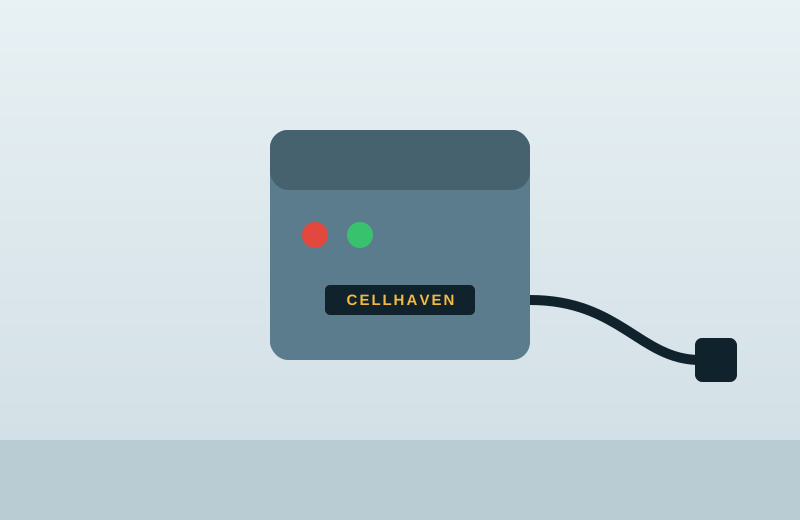
Key data — 36V Lithium Battery Chargers
| Shell | Aluminium (four models); plastic (two models) |
|---|---|
| Outputs | 42.0V (2A, 5A, 15A); 43.2V (10A); plastic 42V (2A, 3A) |
| Series fields (aluminium) | 220Vac input in selected models; ≥85% efficiency; red/green LED; 1.5m input cord, 1.0m output cord |
The 36V class models
| 42.0V 2A — aluminium | 42.0V±0.2; 2A±5%; 84W; 120×90×50mm; 0.7kg |
|---|---|
| 42.0V 5A — aluminium | 42.0V±0.2; 5A±5%; 147W; 170×90×50mm; 1kg |
| 43.2V 10A — aluminium | 43.2V±0.2; 10A±10%; 432W; 220×120×70mm; 2.5kg |
| 42.0V 15A — aluminium | 42.0V±0.2; 15A±10%; 630W; 230×135×70mm; 3.0kg |
| 42V 2A — plastic | 42V±0.2; 2A±10%; 84W; 142×61×32mm; 280g |
| 42V 3A — plastic | 42V±0.2; 3A±10%; 120W; 172×73×35mm; 470g |
Reading the 36V class table
The wattages are the models' rated figures: the 42.0V 5A aluminium model is rated at 147W, and that figure — not the arithmetic product of its volts and amps — is the one a specification should carry. The class's currents divide by duty: 2A in either shell is the overnight rate for small 36V packs (a 20Ah pack is about a ten-hour charge); 5A charges the same 20Ah pack in about four hours; the 10A and 15A aluminium models are fleet rates for larger packs whose charge limits admit them. One model in the class has a 43.2V maximum output where its siblings run 42.0V. The ceiling is per model: 43.2V on the 10A model — a buyer pairing it should confirm the pack's ceiling against 43.2V at enquiry — and 42.0V on every other model in the class. No battery charge limit can be derived from a charger's output: a 15A charger in this class does not make a 15A charge permissible for a pack whose own table says less, and the pack's limit governs every pairing.
Specifying a 36V charger enquiry
State the pack's ceiling and charge limit, its capacity, and the turnaround required. Light-equipment and tool fleets standardising on this class should name the pack models in the fleet, because the class's one 43.2V model makes "36V charger" an ambiguous phrase in a purchase order; the ceiling belongs in the order line. Efficiency across the aluminium series is 85% or better, with red/green indication and per-model case sizes.
Which batteries these ceilings serve
The 42V-class models serve 10S lithium packs — the 36V class whose ceilings sit at 42.0V — at 2A, 5A and 15A in aluminium and 2A and 3A in plastic. The class's working span is wide: the 2A rungs are overnight and bench charging for packs in the tens of amp-hours, the 5A rung is the standard fleet answer, and the 15A aluminium model is turnaround charging for packs whose own charge limits allow it. The battery's limit governs in every case — a 15A charger on a pack limited to 5A is a 5A installation with an oversized box, and the pairing is confirmed at enquiry against the pack's data, not the charger's badge. Buyers arriving from the two-wheeler families should note the class boundary: the 48V two-wheeler series charges at its own range tops (58.8V and above), not here; the models here serve the 36V class only.
The 43.2V model
One aluminium model on this page has a 43.2V maximum output, where its siblings run 42.0V. That figure belongs to that model only: it is not a class ceiling, not a rounding of 42.0V, and not a licence to charge 42.0V-ceiling packs at 43.2V. The pairing question for this model is settled at enquiry against the specific battery's ceiling. The episode is worth a buyer's attention beyond this page: charger catalogues accumulate printing variants over years, and the professional habit is to treat every ceiling as model-specific, confirmed against the individual line, rather than inherited from the class heading.
Wattages in this class
The 42V 5A aluminium model is rated at 147W, not the 210W that naive multiplication suggests, and depot planning uses 147W. Across a ten-point 36V depot that is the difference between a 1.7kW and a 2.5kW circuit conversation once the ≥85% efficiency is applied — real money in installation. The plastic models at the class's light end carry their own smaller figures on the same principle. When a quotation from any supplier gives a charger only as volts and amps, ask for the rated wattage; the answer, or its absence, is diagnostic of the whole document.
The class in a mixed-voltage depot
Depots rarely run one voltage, and the 36V class has a specific place in a mixed room: its 42V-class ceilings sit between the 29.4V shelf and the 54.6V/57.6V shelf, close enough to both to be grabbed wrongly at a shift change. The mitigations are procedural and cheap: charge points labelled by ceiling rather than by vehicle, chargers shelved in voltage order, and the one odd figure in the room — this page's 43.2V model — labelled with its own ceiling at the shelf, not entrusted to memory.