Key data — Compact Lithium Battery Chargers
| Shell | Plastic (all models) |
|---|---|
| Outputs | 4.2V 1.2A; 8.4V 1A; 16.8V 1A / 2A; 21V 2A; 9V set charger 0.5A |
The compact class models
| 4.2V 1.2A | 4.2V±0.2; 1.2A±10%; 5W; 78×47×30mm; 70g |
|---|---|
| 8.4V 1A | 8.4V±0.2; 1A±10%; 8.4W; 78×47×30mm; 70g (US plug) |
| 16.8V 1A | 16.8V±0.2; 1A±10%; 16.8W; 80×52×34mm; 105g (US plug) |
| 16.8V 2A | 16.8V±0.2; 2A±10%; 33.6W; 95×45×30mm; 135g |
| 21V 2A | 21V±0.2; 2A±10%; 42W; 109×49×30mm; 190g |
The 9V set charger
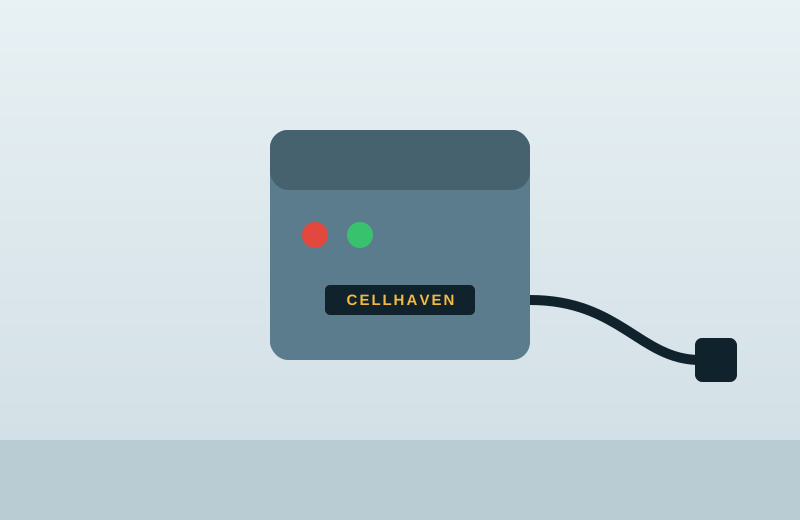
The 9V set charger is the dedicated set charger for the 9V lithium polymer batteries, specified as follows: input AC 100–240V at 50/60Hz (range AC 90–264V, 47/63Hz), no-load draw ≤0.3W, output 9V at 0.5A with 9W maximum, CC/CV charging, red/green LED indication, output accuracy ±5%, over-voltage and over-current protection at 120% minimum, short-circuit auto-recovery, about 60g and 107×42×35mm. It is the dedicated charger for the 9V lithium polymer set. It also carries compliance claims — CUL / FCC / CE / C-TICK and RoHS — with model-level documentation arranged per order.
Reading the compact class table
Compact chargers are point-of-use equipment: 70g to 190g units that live with the device rather than in a charge room. The ceilings map to the small-pack classes of the catalogue — 4.2V for single-cell devices, 8.4V for two-cell packs, 16.8V for four-cell packs, 21V for five-cell tool-class packs — and the currents are overnight rates (1A to 2A) sized for packs whose own charge limits are modest. Two models in this class are US-plug units, which is why plug configuration belongs in the enquiry for this class specifically. The plastic series' discipline is the same as the aluminium line's: the pack's charge limit governs, and a compact charger's convenience never raises it.
Specifying a compact charger enquiry
State the pack's ceiling and capacity, the plug configuration the destination market needs, and the count — compact units are bought in multiples for distributed fleets and device programmes, and the 9V set charger is ordered with the 9V batteries it serves. For heated-clothing programmes, the glove battery's charging pairing is confirmed with the battery enquiry; this class's 4.2V unit is the catalogue's small-pack charger at that ceiling, and the pairing is confirmed in the reply.
The small classes, model by model
The compact models cover the line's low-voltage end: a 4.2V 1.2A plastic model for single-cell-class charging; an 8.4V 1A model for 2S-class packs; 16.8V models at 1A and 2A for 4S-class packs; and a 21V 2A model for 5S-class packs. The duties are device duties — instruments, lights, handheld equipment, the small packs of the polymer and 18650 families — where the charger is a bench or bundled accessory rather than an installation. The selection method is the same as the big classes, in miniature: the pack's ceiling picks the voltage class (4.2, 8.4, 16.8 or 21V), the pack's charge limit caps the current, and the turnaround window chooses between the 1A and 2A rungs where both exist. A device programme shipping chargers with products should standardise on one model per product and print its ceiling on the product's own documentation.
The 9V set charger in full
The accessory on this page is a set charger for 9V lithium batteries: 9V / 0.5A output, 9W maximum, CC/CV charging, about 60g, 107×42×35mm, AC100–240V input, no-load consumption ≤0.3W, output accuracy ±5%, protection at 120% minimum with short-circuit auto-recovery. It also carries its compliance claims — CUL, FCC, CE, C-TICK and RoHS. It is the dedicated charger for the 9V lithium polymer set.
Shipping a charger inside a product
Device programmes that bundle a compact charger with their product inherit three obligations the depot buyer never meets: the charger's ceiling printed in the product's own instructions, in the user's language; the claimed compliance documents for the specific charger model held in the product's file, requested as documents at order; and a spare and replacement channel named before the first return arrives. The compact class's models are inexpensive and standardised, which makes all three easy — provided they are arranged at order time rather than at the first warranty claim. The 9V accessory carries a narrow, exact specification, its compliance claims, and one narrow role.